
SearchSecurity, August 2020– Which type of CISO are you? Company fit Matters
The role of CISO has grown in profile and importance in recent years, as evolving and escalating digital threats raise the stakes for organizations of every size and stripe. But organizations aren’t always clear about what they want from their CISOs, and CISOs aren’t always clear what kind of leaders they are or want to be.
“CISOs are not the same from company to company and industry to industry,” said Steve Tcherchian, CISO for XYPRO Technology Corp., a cybersecurity analytics company. “We’re still in the infancy of what this role really is and how it fits into the strategic focus of a business.”
As a result, enterprises often look to CISOs themselves to define the role, he added. Experience and personality greatly influence how a given type of CISO leads, often with unforeseen implications for the organization.
“Some CISOs will see an opportunity and drive it forward,” Tcherchian said. “Others in the same role will be risk-averse and maintain the status quo.”
Click here to read the full article.
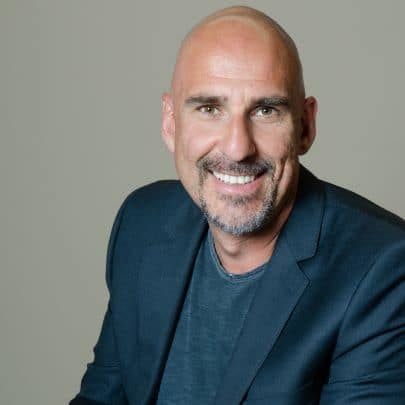
Steve Tcherchian, CISSP, PCI-ISA, PCIP is CEO of XYPRO Technology, a leading provider of mission-critical cybersecurity solutions that protect the digital backbone of industries worldwide. With over 20 years of experience, Steve brings a unique blend of technical expertise, strategic vision, and a customer-first approach that has transformed XYPRO into a top-tier cybersecurity provider, driving record growth and accelerated adoption of its threat detection and compliance solutions across diverse sectors.
A passionate advocate for cybersecurity, Steve is dedicated to demystifying the complexities of the industry and sharing actionable insights on global stages as a sought-after speaker. His contributions extend beyond the podium: as a former member of the ISSA CISO Advisory Council, the X9 Security Standards Committee, the Forbes Tech Council, and as a patent holder, Steve has shaped pivotal cybersecurity standards and innovations that safeguard the world’s most critical workloads.